Taurodemus varians
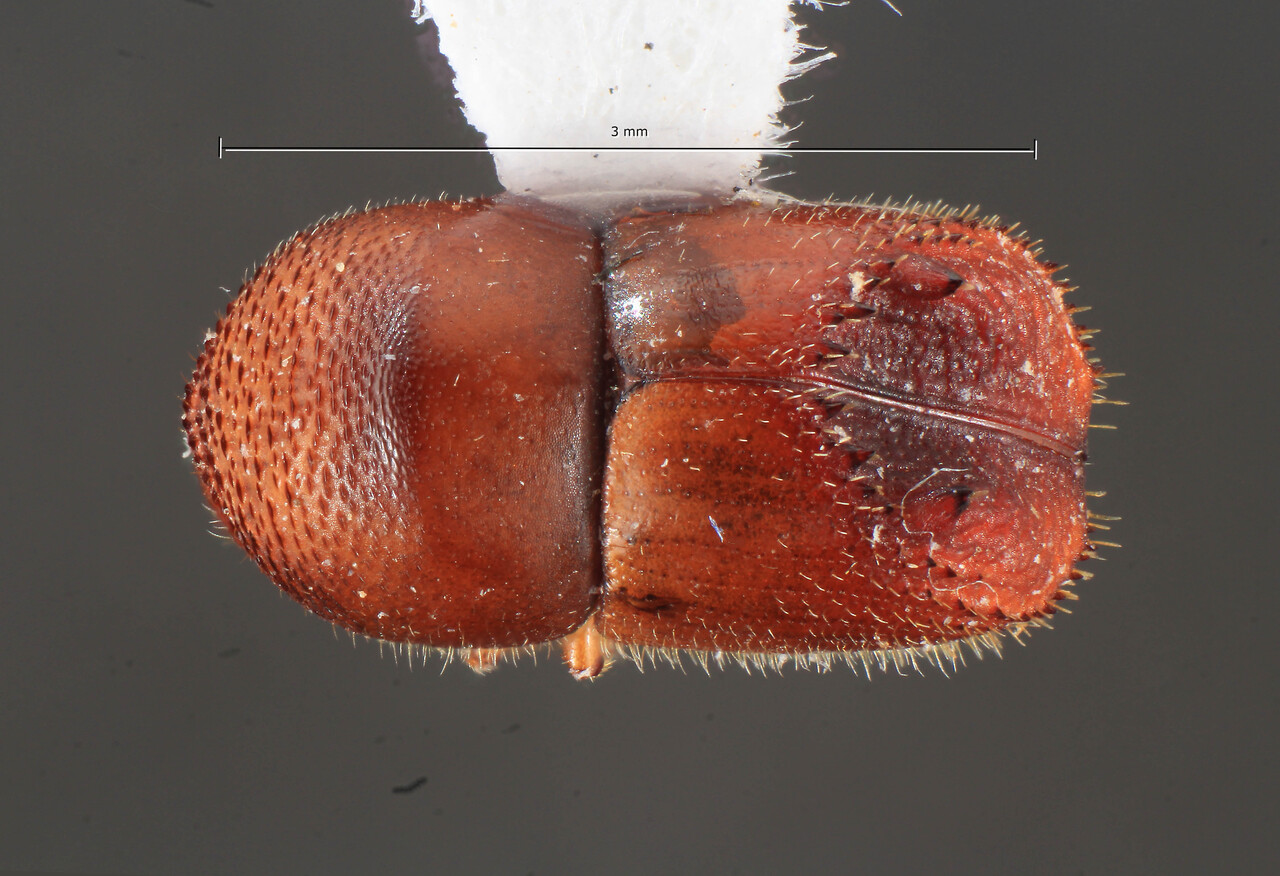
Taurodemus splendidus
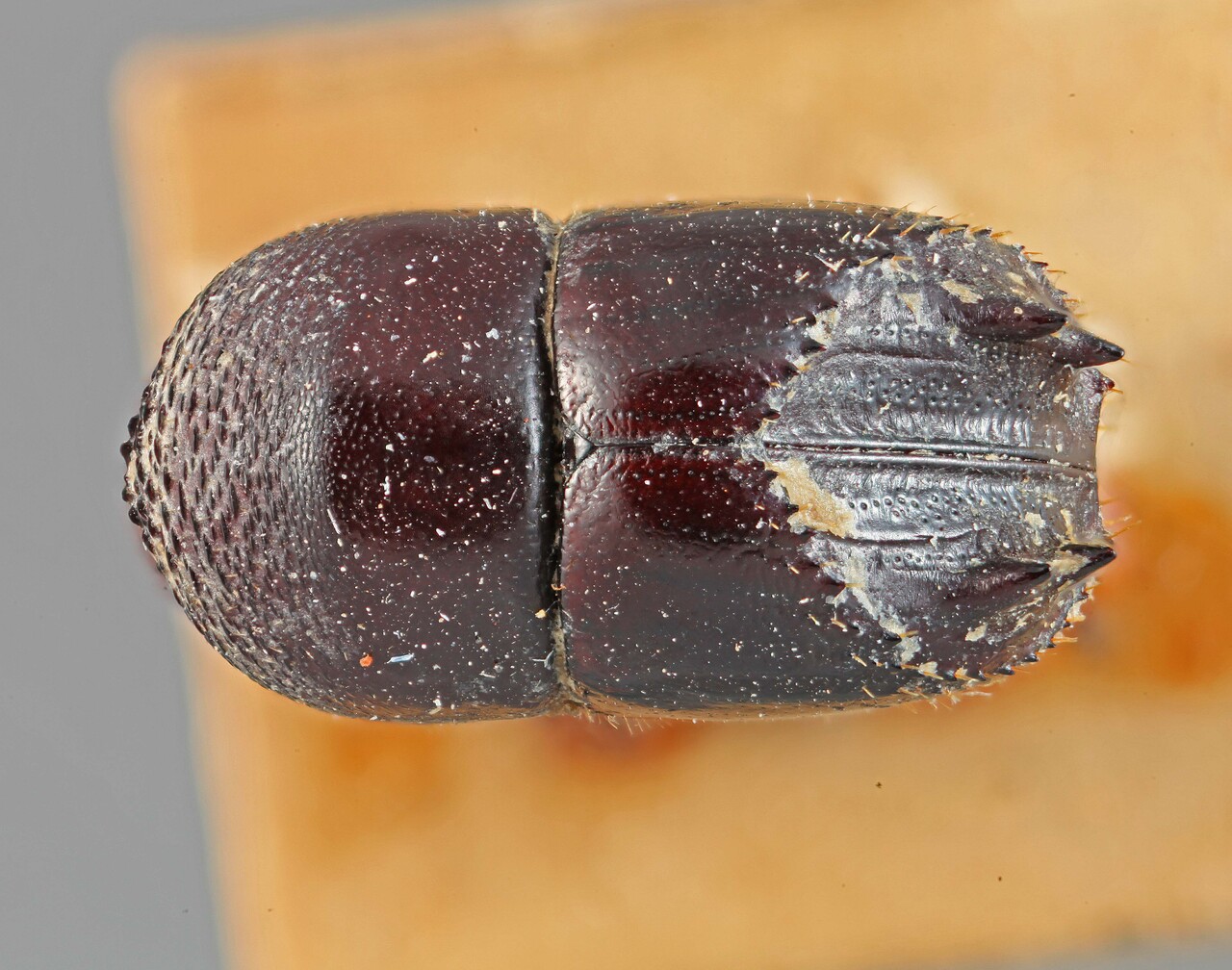
Wood & Bright (1992: 786) and Wood (2007:462) cite the types of both Xyleborus splendidus Schaufuss and X. camopinus Hagedorn as having been lost in the Hamburg Museum. Neither work specifically addresses the lectotype of X. splendidus Schaufuss designated by (Anderson & Anderson 1971:31). Wood (2007) obliquely refers to this specimen as ‘the Eggers homotype’, implying that it was not part of a series of syntypes described by Schaufuss. If this is the case the specimen in the USNM should be designated as a neotype for the reasons given by Anderson & Anderson (1971). Wood & Bright (1992) and Wood (2007) suggest that Xyleborus ruber Schaufuss is a synonym.
Read MoreTaurodemus sharpi
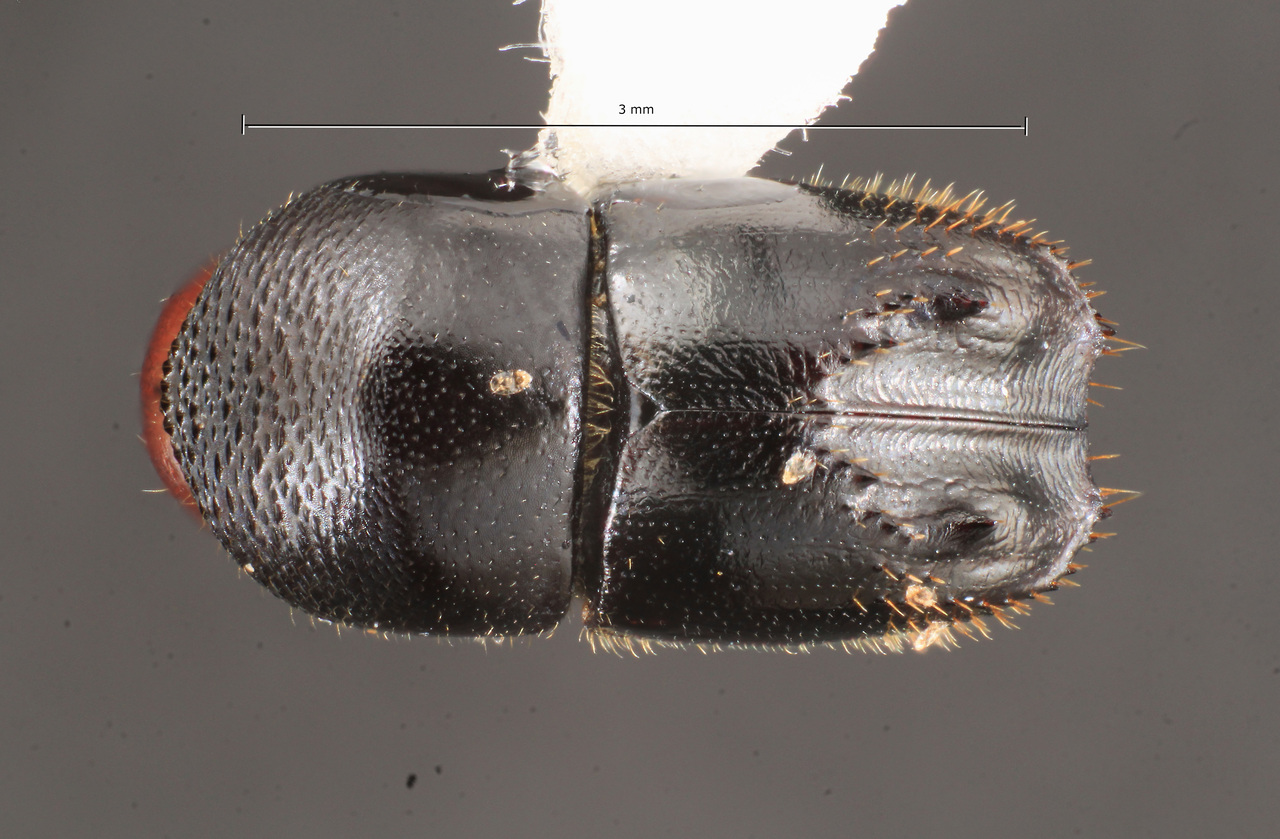
Wood (1974, 1982, 1992, 2007) based his recognition of subspecies lenis (Veracruz, Mexico) and sharpi (Costa Rica, Panama) on the basis of of minute morphological differences and geography. In part this was due to his belief that the lectotype locality of sharpi sharpi was Panama, when in fact it was in Guatemala. Subsequent collections in Oaxaca and Chiapas (Mexico) have closed the geographical gap. Wood’s subspecies do not merit formal recognition.
Read MoreTaurodemus sanguinicollis
Taurodemus salvini
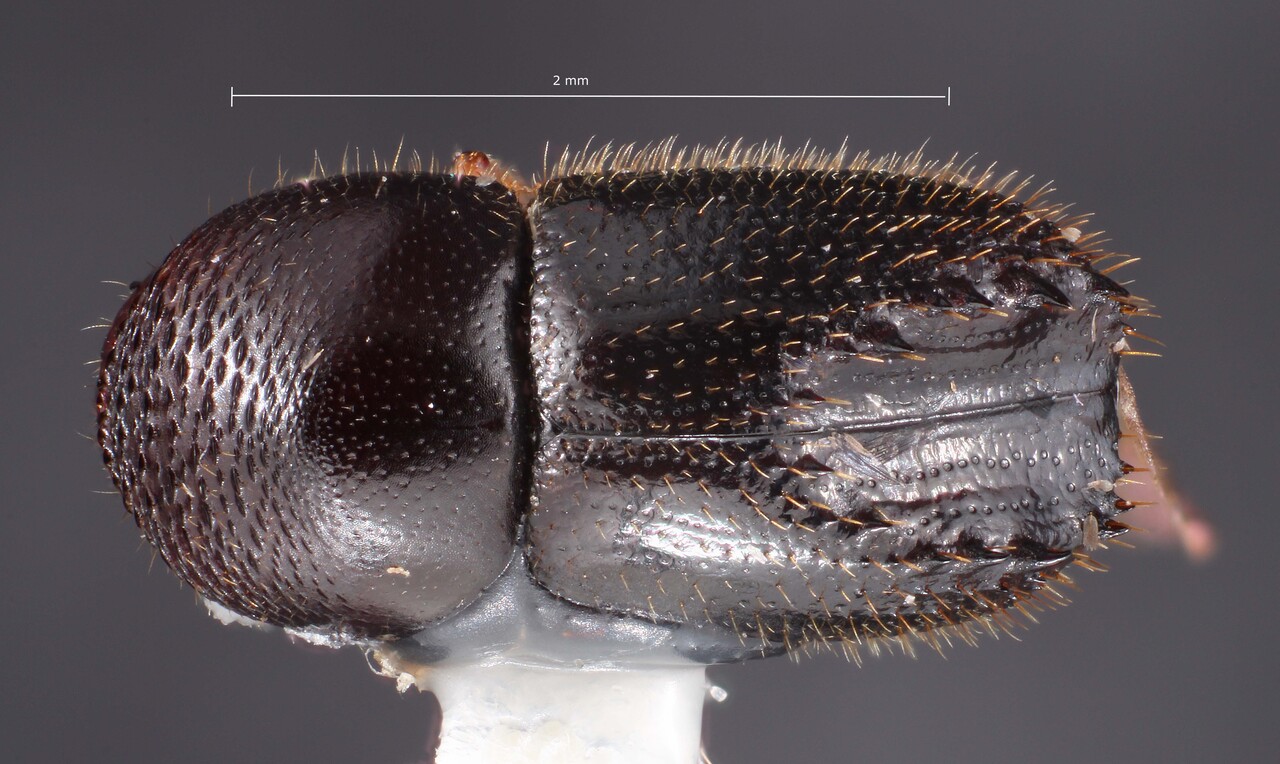
Wood’s (1982, 2007) keys do not usefully distinguish this species from T. flavipes. He cites a difference in the punctation of the declivity which in fact is inconsistent, even in specimens in his collection identified to either species. T. salvini is consistently larger than T. flavipes; its declivital concavity is deeper and the marginal teeth are larger.
Read More