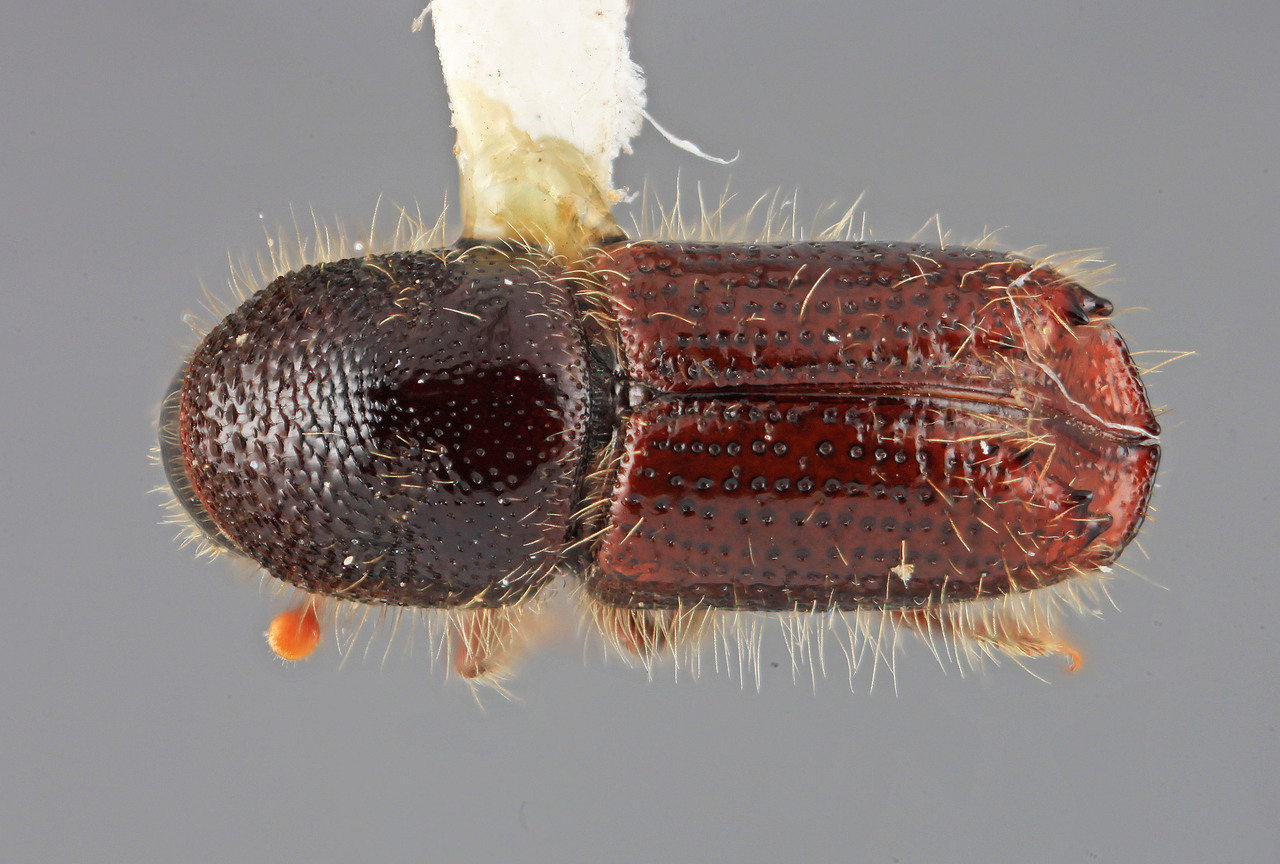
Ips knausi
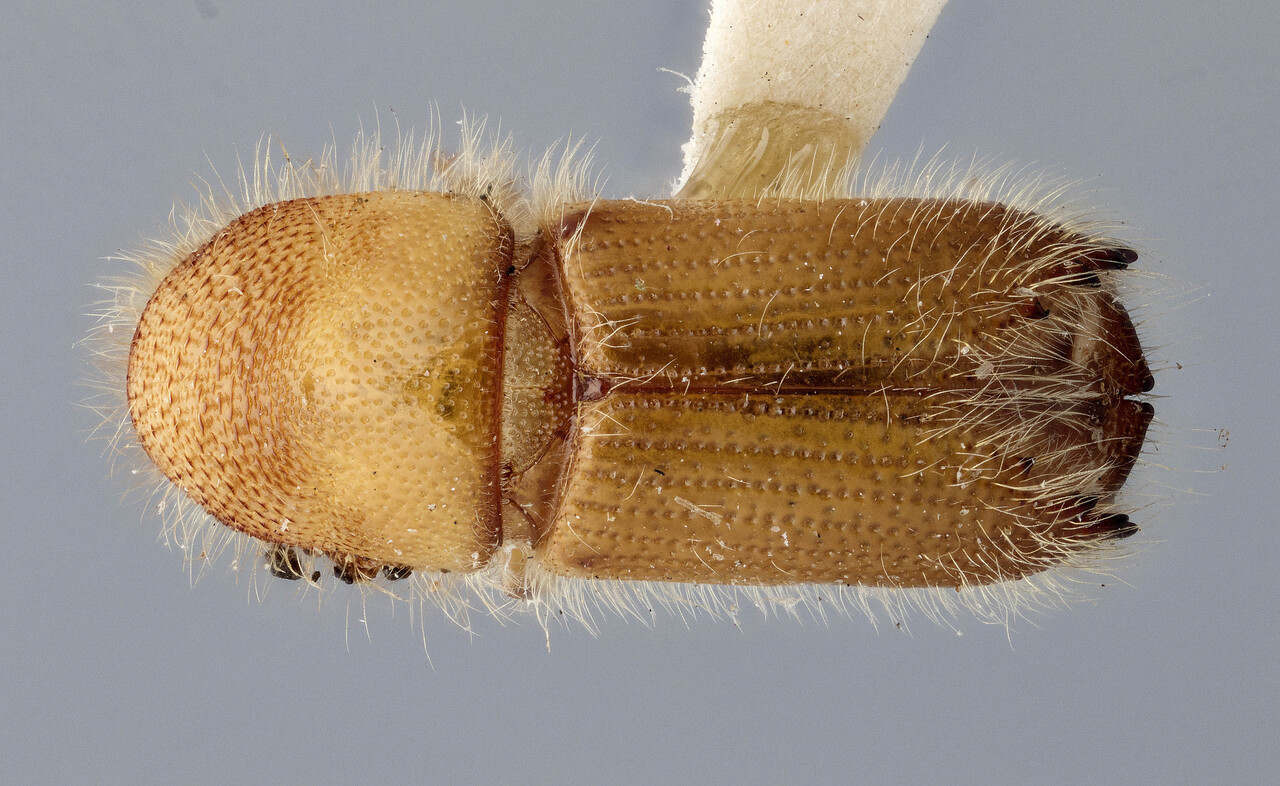
Ips integer
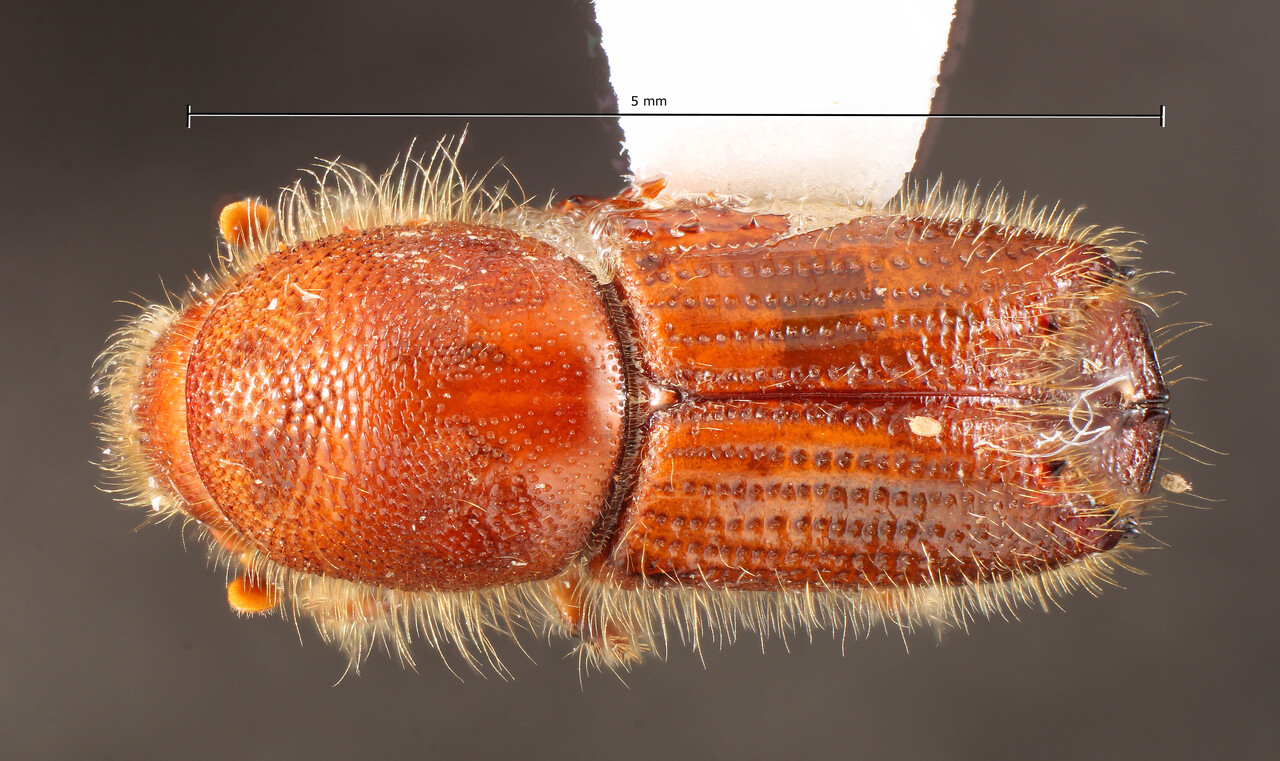
Ips hunteri
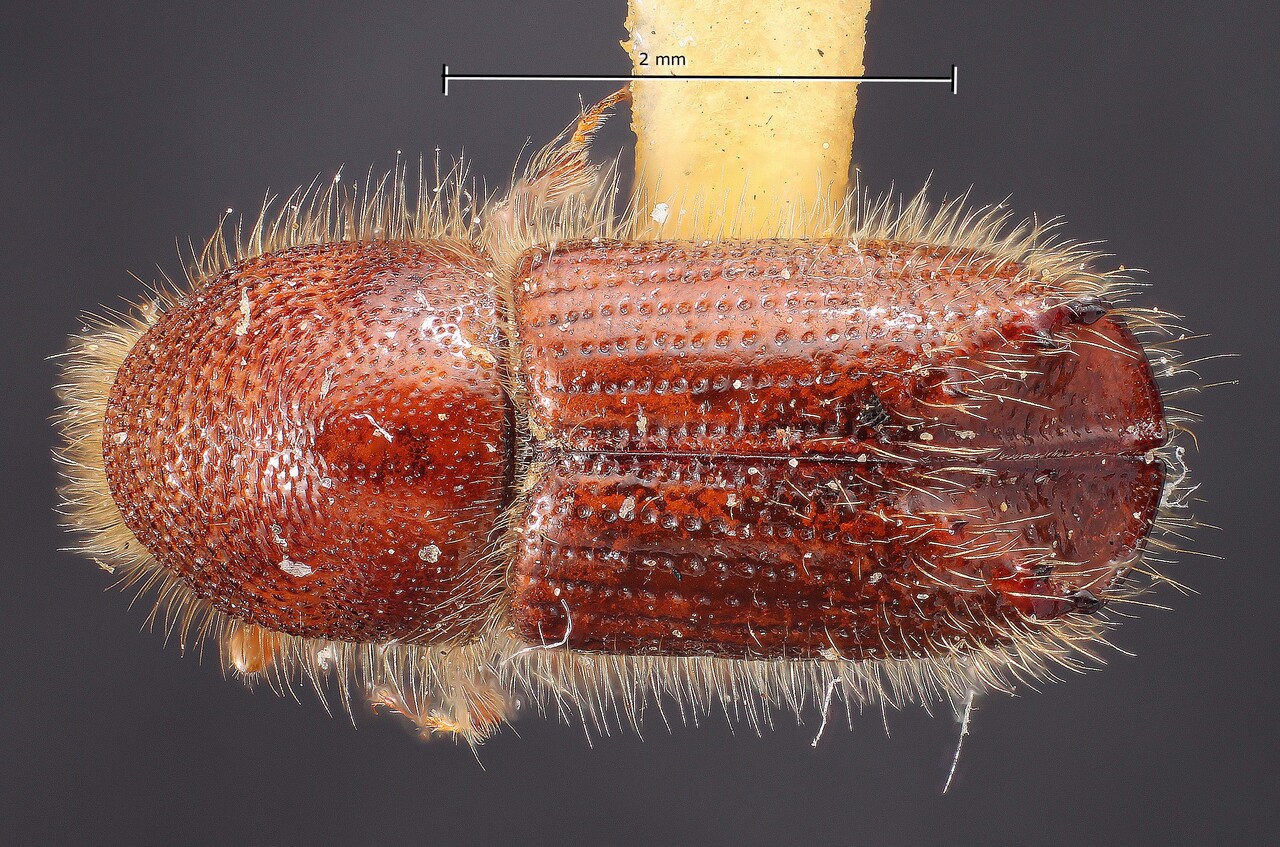
Ips hoppingi
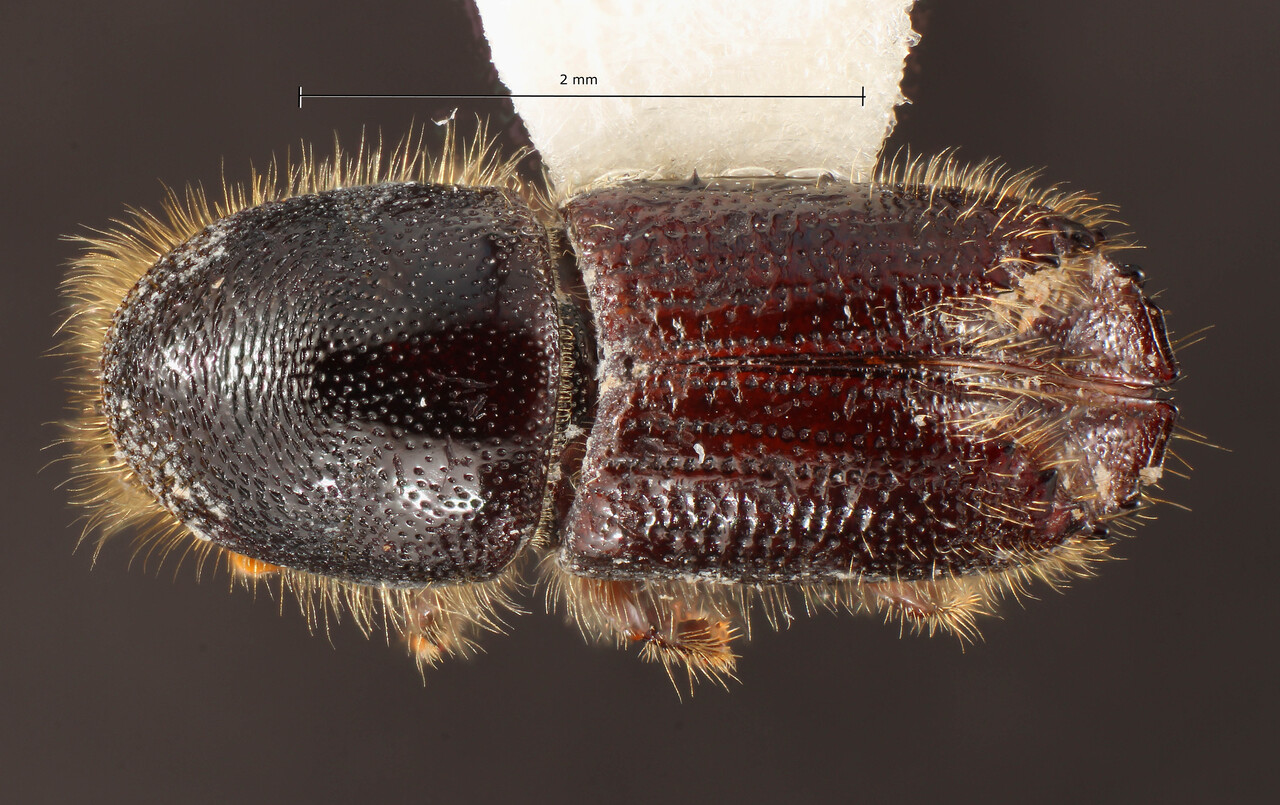
This species is not distinguishable from Ips confusus based on external characters. Lanier (1970) separated it from that species on the basis minute character differences and its validity as a distinct species needs comnformation. For the present specimens collected from the range of Pinus cembroides in SW Arizona, southern New Mexico, Texas, and Mexico are referred to this species.
Read MoreIps hoppingi
This species is not distinguishable from Ips confusus based on external characters. Lanier (1970) separated it from that species on the basis minute character differences and its validity as a distinct species needs comnformation. For the present specimens collected from the range of Pinus cembroides in SW Arizona, southern New Mexico, Texas, and Mexico are…
Read MoreIps grandicollis
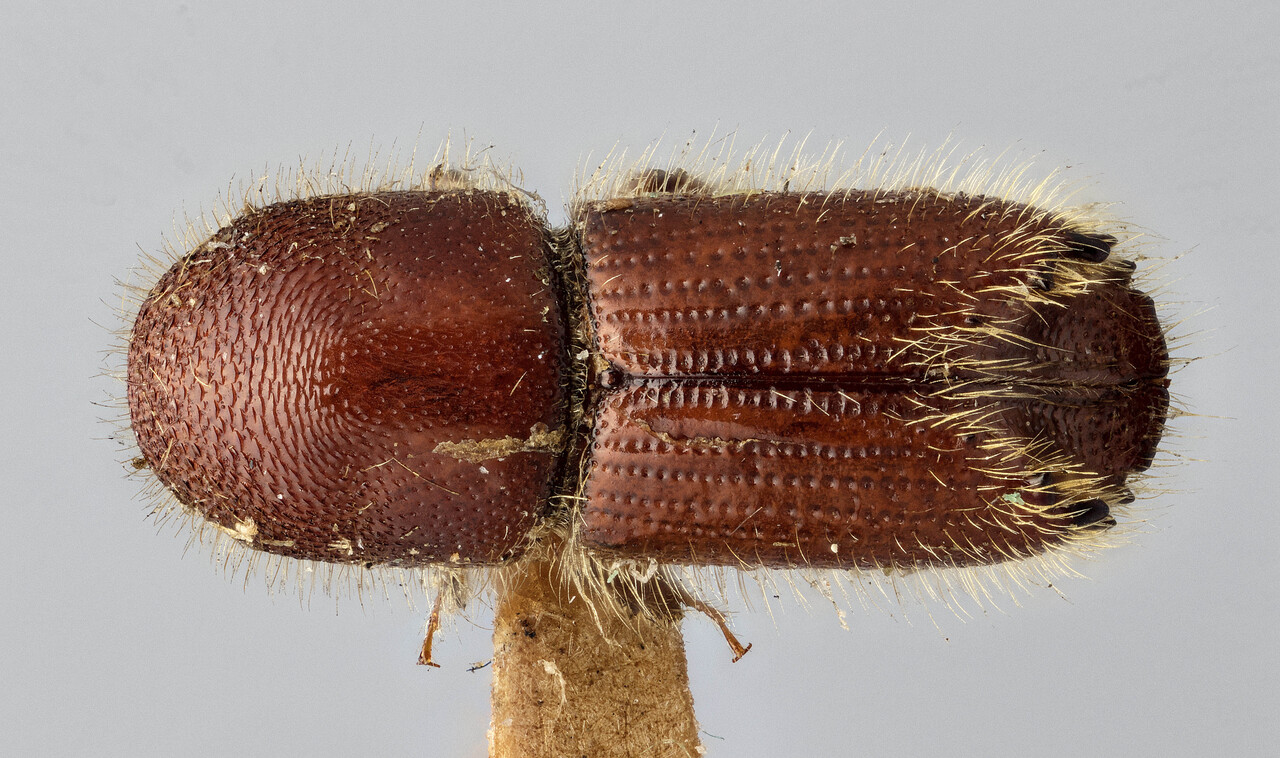
Wood (1982) and Wood & Bright (1992) treat cribricollis as a synonym of grandicollis. Based on genetic and behavioral differences most authors continue to recognize populations from the SW U.S. and Mesoamerica under the former name. This treatment is followed here.
Read MoreIps emarginatus
Ips confusus
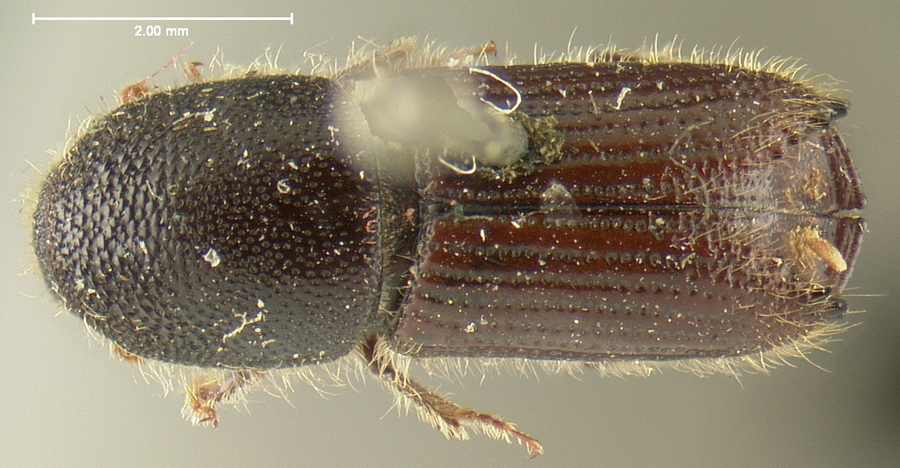
Much older literature (pre 1970) actually refers to paraconfusus Lanier, described in that year. Wood (1982) and Wood & Bright (1992) apparently cite the species from West Texas. While I have not personally examined them, these would appear to be the same specimens referred to I. hoppingi by Lanier (1975). Lanier’s treatment is followed here.
Read MoreIps calligraphus calligraphus
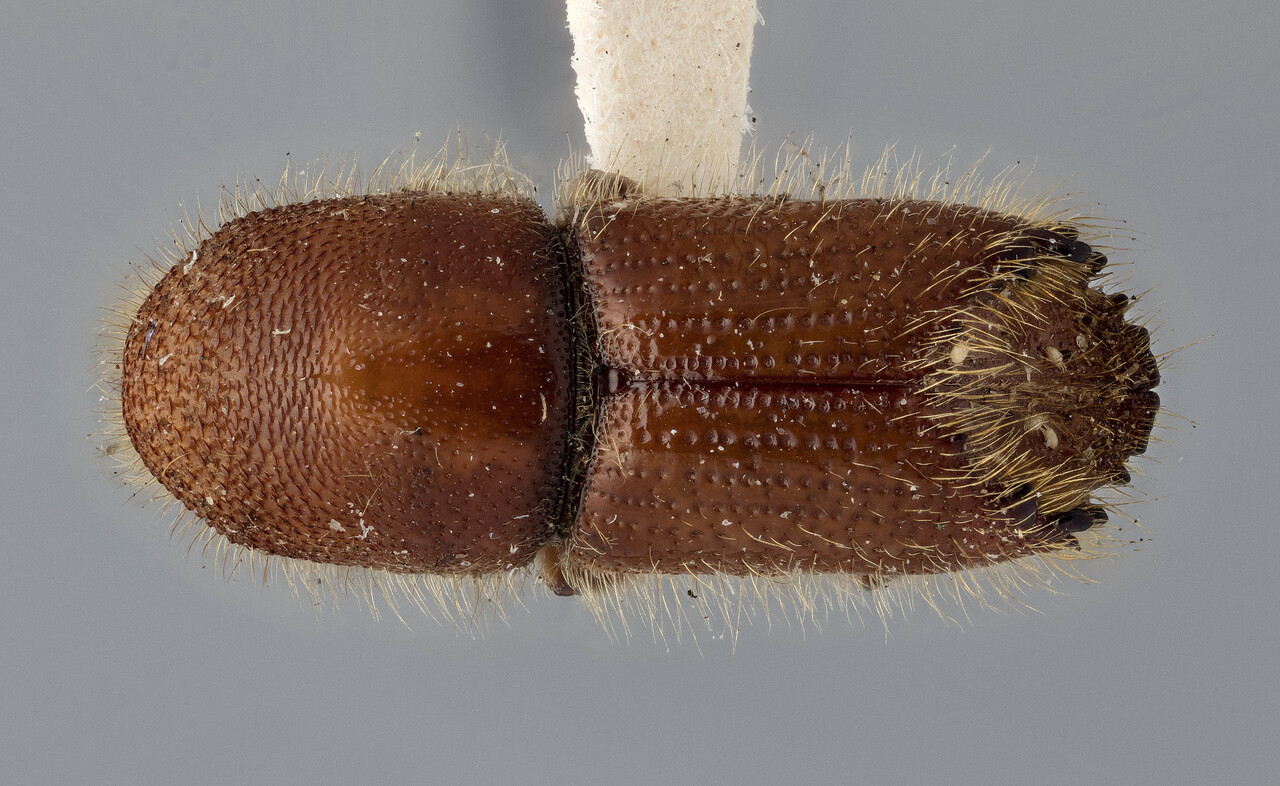
Lanier et. al. (1991) recognized 3 subspecies primarily based on biological and chromosomal characters: c. calligraphus for populations in eastern North America, c. ponderosae for populations from western North America including northern Mexico, and c. interstitialis for Caribbean populations. At present these subspecific distinctions are not recognized because of the practical difficulties involved in re-examinng large numbers of specimens, especially from published records. These authors also treated populations from Central Mexico and Central America as apache which is followed here. This should not be considered a rejection of the their conclusions. On the other hand I believe that considerably more work will need to be done to fully resolve theses taxa in northen Mexico and adjacent portions of the southwestern U.S. Wood & Bright (1992: 494) did not recognize these subspecies. Their listing also includes everything treated by Lanier et al. (1991) as I. apache under calligraphus.
Read More